" height="14.000000381469725px" id="U1XkoOSsK" transform="translate(1.5 5)" width="21.099999999999998px"/></svg>)

Danny Corprew
Dec 23, 2025

There are moments in an enterprise where the story matters more than anything else. Mergers, major transactions, leadership transitions, emerging crises- these moments don’t reshape reputation because of what’s announced, but because of how the brand is interpreted over time, across the ecosystem that responds to it.
These key moments don’t unfold in one place. It happens across an entire ecosystem, across a series of interconnected habitats that each run on their own timeline, each shaping the moment in a different way. With AI summaries displacing up to 80% of audience attention, the question becomes, is your infrastructure ready to maintain the visibility your brand needs in key moments?
Where the Message Is Aligned and the Assumptions Begin
The first habitat is the executive war room. Here everything feels controlled. Senior leaders align the narrative, refine language, debate risks, and prepare the message they believe will guide the organization through whatever challenge lies ahead. The Chief Communications Officer (CCO) feels the weight of responsibility, the Chief Public Affairs Officer (CPAO) reads ahead to where policy may land and comms managers plan for the operational lift.
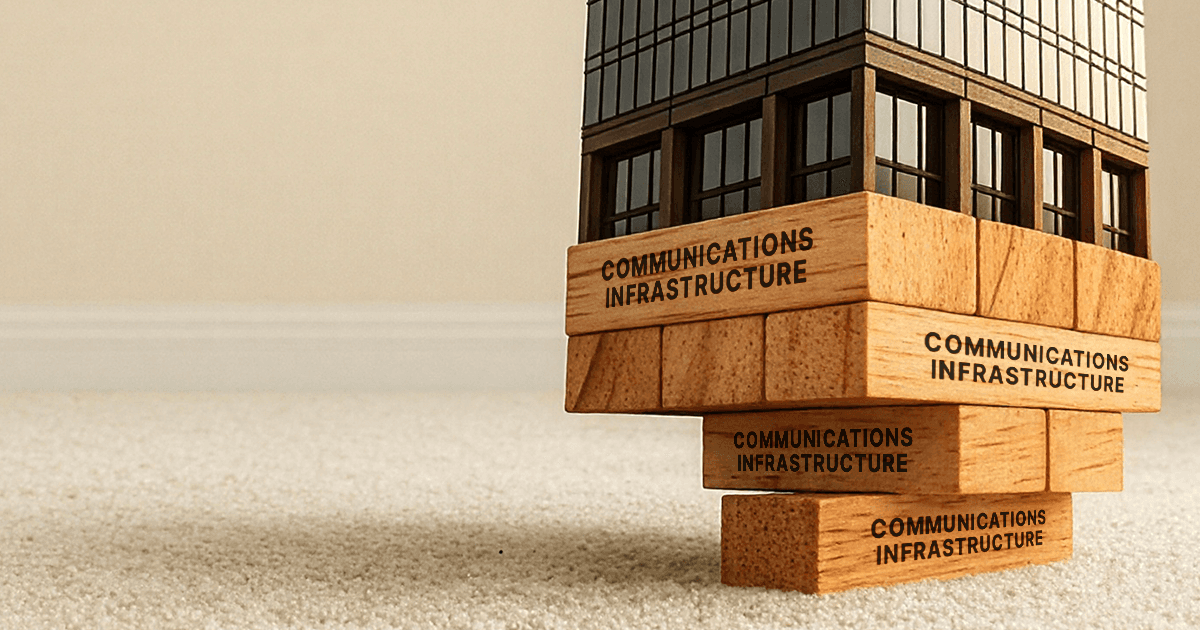
But the moment the strategy leaves the room, it enters a digital world that won’t interpret it based on the brand’s intention, it will interpret it based on the brand's infrastructure. If the brand’s infrastructure is outdated the strategy will struggle to take root in AI, generative engines.
Where the Story Multiplies and Takes on a Life of Its Own
When the strategy hits the market, the ecosystem widens. In this habitat analysts, journalists, investors, employees, competitors, advocacy groups, and opposition voices all begin reacting to the strategy. Their interpretations, questions, commentary, coverage, skepticism, support all become the fuel that AI, generative engines absorb and summarize. This is where the story accelerates and begins to crystalize.
AI generates its initial summaries based on whatever structured information it can find. Stakeholders respond to those summaries and to the announcement itself. Their reactions then become structured signals (i.e. posts, articles, reports, internal updates, competitor statements). AI ingests these signals, reshapes them, and reinforces whatever narrative is most coherent, most structured, and most consistent in the ecosystem.
In this part of the ecosystem, a weak comms infrastructure accelerates the visibility gap. Competitor perspectives, opposition voices and outdated brand narratives start gaining ground faster than yours. The war room comms strategy shifts from proactive to reactive. This is typically the moment where comms leaders start to question volume driven tactics their strategy was built around.
Perception becomes Policy in Environment Where Governing Bodies are Increasingly Relying on AI
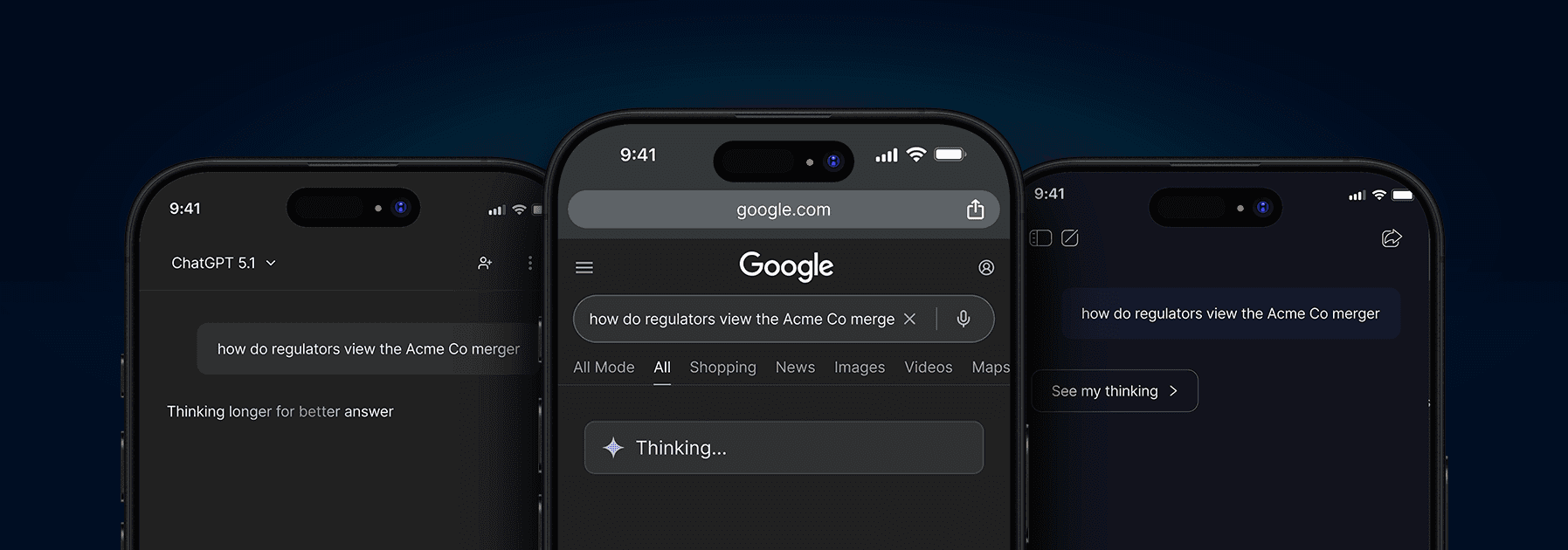
Far from the noise of all of the voices, is probably the slowest moving and most unforgiving habitat- the institutional review. Public affairs teams operate here, where their control is limited. Regulators, analysts, policy teams, and governing agencies start to solidify their positions, often beginning with the structured information from AI platforms. Here, perception becomes policy.
This habitat will prove whether the infrastructure supporting the brand was strong enough to move past opposition voices, build trust with experts, and ensure that a consistent narrative reached decision-makers.
If the foundation was weak in the earlier habitats, the consequences surface here and often too late to reshape. By the time regulators begin their review, the narrative has already hardened.
Where Responsibility Ultimately Lands
Each comms leader operates in their own part of the ecosystem, but the CCO is usually held accountable for how the entire system works to interpret the brand. In fast-moving, high-stakes environments like merger and crisis comms, infrastructure is what allows strategies created in war room strategies to hold its shape all the way through institutional reviews. Without it, the comms strategy is left to carry the weight of a moment it wasn’t designed to carry.
Other posts you might be interested in

" height="9.023611121376353px" id="fd5ctDH1K" transform="translate(15.411 3.44)" width="58.19722612169055px"/><path d="M 5.678 11.863 C 5.069 11.863 4.461 11.863 3.954 11.761 C 3.751 11.761 3.447 11.863 3.447 12.167 L 3.447 13.485 C 3.447 13.688 3.549 13.89 3.751 13.89 C 4.258 13.992 4.968 14.093 5.678 14.093 C 7.604 14.093 9.226 13.485 9.226 12.775 L 9.226 11.66 C 9.226 11.457 9.024 11.254 8.821 11.356 C 7.908 11.66 6.793 11.863 5.678 11.863 L 5.678 11.863 L 5.678 11.863 Z M 5.678 8.517 C 5.069 8.517 4.461 8.415 3.954 8.314 C 3.751 8.314 3.447 8.415 3.447 8.719 L 3.447 10.139 C 3.447 10.342 3.65 10.544 3.853 10.646 C 4.625 10.814 5.069 10.849 5.678 10.849 C 7.097 10.849 8.314 10.646 9.125 10.24 C 9.835 9.936 10.342 9.429 10.342 8.922 L 10.342 8.01 C 10.342 7.807 10.139 7.604 9.835 7.706 C 8.719 8.212 7.199 8.517 5.678 8.517 L 5.678 8.517 L 5.678 8.517 Z M 11.356 3.042 C 11.356 1.419 8.719 0 5.576 0 C 2.433 0 0 1.318 0 3.042 L 0 11.051 C 0 11.964 0.71 12.775 1.825 13.282 C 2.028 13.282 2.231 13.282 2.231 13.079 L 2.231 3.042 C 2.231 2.028 3.751 1.217 5.678 1.217 C 7.604 1.217 9.125 2.028 9.125 3.042 C 9.125 4.056 7.604 4.867 5.678 4.867 C 3.751 4.867 4.562 4.867 4.056 4.664 C 3.751 4.664 3.447 4.765 3.447 5.069 L 3.447 6.489 C 3.447 6.692 3.65 6.996 3.853 6.996 C 4.625 7.22 5.069 7.199 5.678 7.199 C 6.996 7.199 8.213 6.996 9.125 6.59 C 9.835 6.286 10.443 5.881 10.849 5.374 C 11.153 4.968 11.356 4.563 11.356 4.157 L 11.356 2.94 L 11.356 2.94 L 11.356 2.94 Z" fill="rgb(255, 255, 255)" height="14.093055589864148px" id="JrgcUMrdf" transform="translate(0 0.905)" width="11.355555555555554px"/></svg>)